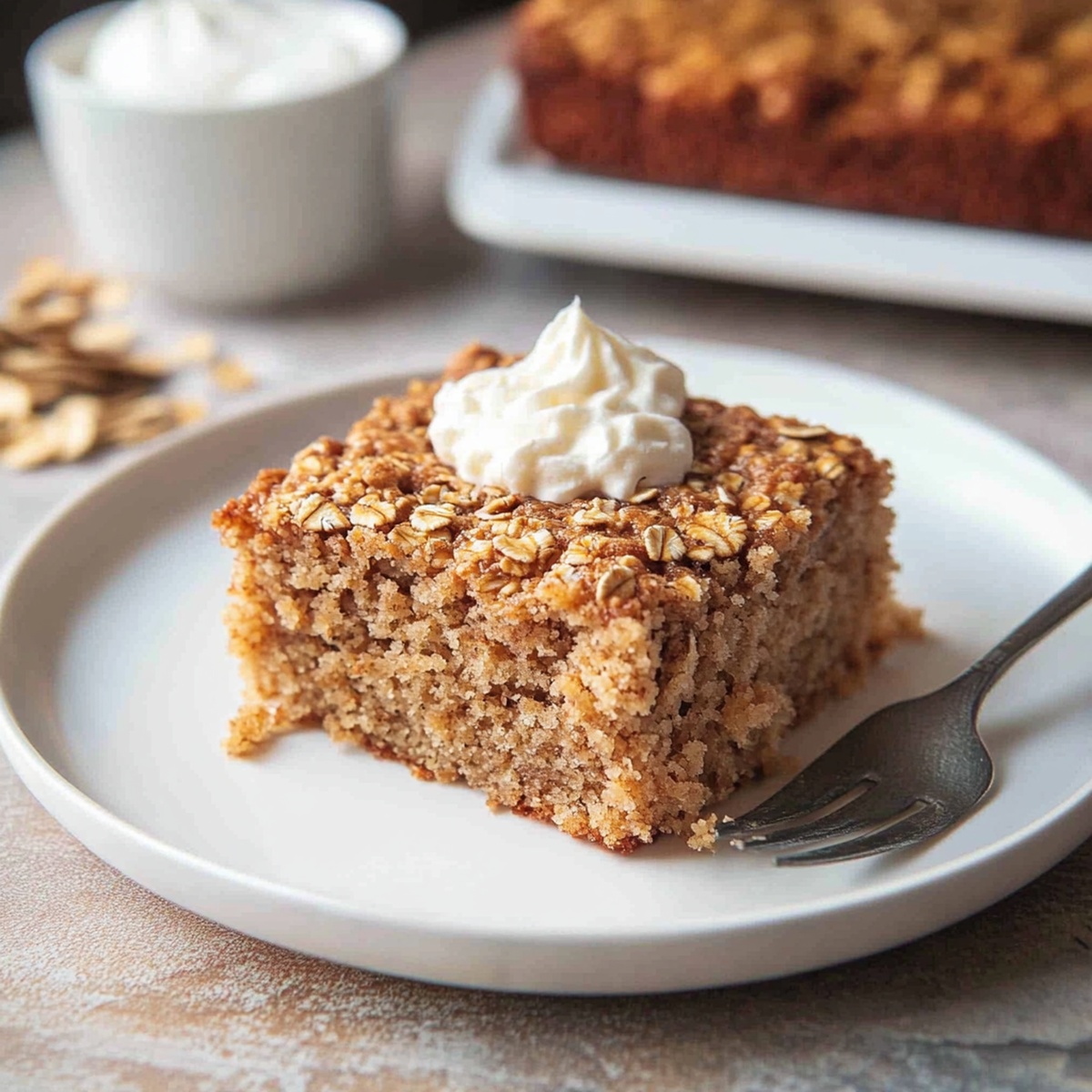
Grandma's Secret: Unlocking the Moistest Old Fashioned Oatmeal Cake
There are some recipes that transcend mere ingredients and instructions, transforming into edible memories, warm hugs from the past, and a taste of pure comfort. The old fashioned oatmeal cake is undoubtedly one of them. For many, just the mention of it conjures images of bustling kitchens, the gentle clatter of baking dishes, and the undeniable aroma of cinnamon and toasted oats. It's a dessert that speaks of simpler times, a humble yet profoundly satisfying treat that generations have cherished. This isn't just any cake; it's *that* cake – the one grandma made, the one that defines moistness and cozy flavor in every tender bite.
What makes this classic so universally beloved? Its magic lies in its simplicity and an ingenious trick that guarantees an unbelievably moist and tender crumb. Forget dry, crumbly cakes; this old fashioned oatmeal cake redefines expectations, delivering a hearty, soft texture that truly improves with every passing hour. Whether you’re seeking a nostalgic trip back to childhood or simply craving a genuinely satisfying dessert that’s surprisingly easy to master, this comprehensive guide will walk you through the secrets to creating the moistest oatmeal cake, just like Grandma used to make.
The "Secret" Ingredient: How Oats Create Unrivaled Moisture
The cornerstone of an exceptionally moist old fashioned oatmeal cake isn't just butter or eggs, though they certainly play their part. The true secret, passed down through generations of home bakers, lies in the preparation of the oats themselves. This isn't a mere addition; it's a transformative step that infuses the cake with its signature texture and incredible moisture.
Many traditional recipes call for soaking quick or old-fashioned rolled oats in boiling water just before mixing. This simple act, often overlooked in modern baking, is nothing short of brilliant. When hot water is poured over the oats, a fascinating culinary alchemy occurs:
1.
Softening and Hydration: The boiling water rapidly softens the oats, allowing them to fully hydrate. This prevents them from absorbing moisture from the batter during baking, which could otherwise lead to a drier cake. Instead, they *release* moisture into the batter, ensuring a consistently tender crumb.
2.
Starch Release: As the oats soak, they release some of their starches. These starches act as natural binders and moisteners, contributing to the cake's plush texture and helping it retain moisture long after it's baked.
3.
Nutty Flavor Enhancement: The gentle heat also helps to bloom the natural, earthy, and slightly nutty flavor of the oats, deepening the overall taste profile of the cake.
The result is a cake that is not only incredibly soft and tender but also deeply satisfying and robust. Each bite offers a subtle chewiness from the oats, perfectly complementing the cake’s delicate sweetness and warm spice notes. This humble step is precisely why an old fashioned oatmeal cake stands apart, delivering a moistness that store-bought cakes can only dream of.
A Taste of History: The Enduring Appeal of Oatmeal Cake
The old fashioned oatmeal cake isn't just a delicious dessert; it's a testament to ingenuity and resourcefulness in the home kitchen. This unpretentious dessert belongs to a category of recipes that emerged during times when home cooks needed to create delicious treats without expensive or exotic ingredients. Oats, a pantry staple, were an economical and hearty addition, transforming a simple cake into something more substantial and satisfying.
Often found tucked away in handwritten recipe cards and treasured family cookbooks, this cake is more than just food; it's a symbol of comfort and frugality. Known sometimes as "Lazy Daisy Oatmeal Cake" due to its often easy, broiled topping, it embodies a practical approach to baking that doesn’t compromise on flavor.
Its versatility is another reason for its enduring appeal. While undeniably a fantastic dessert, its wholesome oat base makes it a welcome treat at any time of day. Enjoy a generous slice with your morning coffee, savor it as an afternoon pick-me-up, or serve it as a warming conclusion to a family meal. The aroma of cinnamon and toasted oats filling your kitchen instantly transports you back to those sunny, simple kitchens of yesteryear, making every batch a journey through time. To explore more about its comforting origins and versatile nature, consider
Humble Oats to Hearty Treat: Your Guide to a Cozy Oatmeal Cake.
Mastering the Craft: Tips for Your Perfect Old Fashioned Oatmeal Cake
Creating the perfect old fashioned oatmeal cake is a rewarding experience. While the recipe is inherently forgiving, a few key tips can elevate your baking from good to truly exceptional.
Essential Ingredients and Their Role:
*
Oats: As discussed, quick or old-fashioned rolled oats are ideal. Instant oats can work but may result in a slightly different texture. Steel-cut oats are too firm for this recipe.
*
Spices: Cinnamon is king here, often complemented by nutmeg, a hint of cloves, or even a dash of allspice. Don't be shy with your spices; they provide the warm, comforting backbone of the cake's flavor.
*
Fat: Butter or oil? Many traditional recipes use oil for a consistently moist crumb, while butter offers a richer flavor. You can often use a combination or stick to one, depending on your preference.
*
Sweeteners: A blend of granulated sugar and brown sugar (for its molasses notes and added moisture) is common, enhancing both flavor and texture.
The Iconic Coconut Pecan Broiled Topping:
While the cake is delicious on its own, the traditional coconut pecan topping is often considered a non-negotiable component that takes it to another level. This isn’t a laborious frosting; it's a simple concoction poured over the still-warm cake and briefly broiled.
*
Components: Typically a blend of melted butter, brown sugar, shredded coconut, chopped pecans, and a splash of milk or cream.
*
Preparation: Whisk together the ingredients, then spread evenly over the hot cake straight from the oven.
*
Broiling: This is where the magic happens! A quick pass under the broiler caramelizes the sugar, toasts the coconut and pecans, creating an irresistible, chewy, nutty, and slightly crispy crust. Watch it *very* carefully, as it can go from perfect to burnt in mere seconds. The result is a decadent layer that perfectly contrasts the soft cake beneath. For a deeper dive into this irresistible addition, check out
Easy Old Fashioned Oatmeal Cake with Decadent Coconut Pecan Topping.
Baking and Storage Wisdom:
*
Don't Overmix: Once you add the dry ingredients to the wet, mix only until just combined. Overmixing develops gluten, which can lead to a tougher cake.
*
Oven Temperature: Ensure your oven is preheated to the correct temperature. A consistent oven temperature is crucial for even baking.
*
Testing for Doneness: A wooden skewer or toothpick inserted into the center should come out with moist crumbs attached, but not wet batter.
*
Improving with Time: One of the beautiful characteristics of this cake is that it often tastes even better the next day as the flavors meld and the moisture fully distributes. Store it covered at room temperature for up to 3-4 days, or in the refrigerator for longer.
Beyond the Recipe: Creative Twists and Serving Suggestions
While the classic old fashioned oatmeal cake is perfect as is, it also serves as a fantastic canvas for creative adaptations.
*
Add-ins: Stir in a handful of raisins, dried cranberries, or chopped dates to the batter for extra bursts of flavor and chewiness. Freshly grated apple or pear can also add an additional layer of moisture and fruitiness.
*
Nutty Variations: Swap pecans for walnuts, almonds, or a mix of your favorite nuts in the topping.
*
Spice it Up: Experiment with a pinch of ginger, cardamom, or even a touch of black pepper for a more complex spice profile.
*
Alternative Toppings: If the broiled coconut pecan topping isn't your style, consider a simple cream cheese frosting, a dusting of powdered sugar, or a light glaze made with powdered sugar and milk.
*
Serving Suggestions: Enjoy a slice warm, perhaps with a scoop of vanilla bean ice cream melting into its spiced goodness, or a dollop of fresh whipped cream. It's equally delightful served at room temperature with a cup of hot tea or coffee, making it ideal for brunches or afternoon gatherings.
Bringing Back the Comfort
The old fashioned oatmeal cake is more than just a dessert; it’s a connection to the past, a symbol of home, and a testament to the power of simple, wholesome ingredients. With its unparalleled moistness, warm spiced flavor, and the irresistible crunch of its broiled topping, it’s a cake that truly captures the essence of grandma’s kitchen. By understanding the simple secret of soaking the oats and embracing the straightforward baking process, you can easily recreate this timeless classic. So, tie on your apron, gather your ingredients, and prepare to bring this beloved, comforting tradition into your own home.